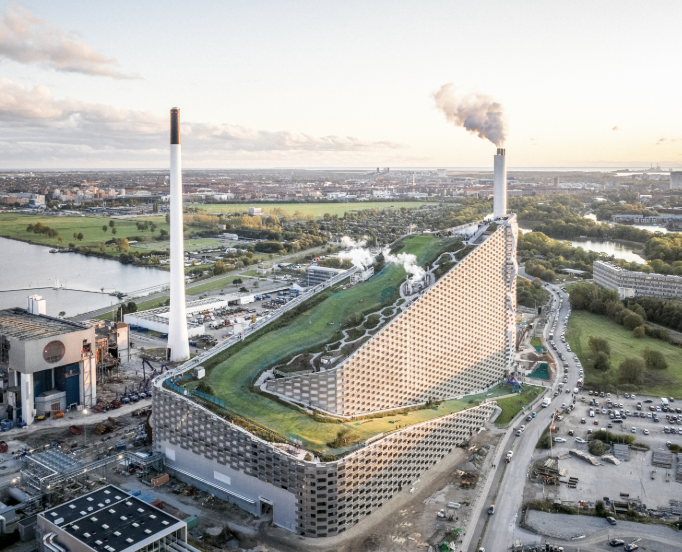
Bjarke Ingels: The Pragmatic Visionary — Architecture for a Sustainable and Playful Future
If modernism sought intersection between function and postmodernism, Bjarke Ingels stands on his own ground, a pragmatic utopian who believes architecture can inspire and solve problems. Through his bold and innovative designs that consistently draw praise and criticism, Ingles has redefined architecture in the 21st century, merging technology and humor into the expansive field.
From his innovative ski slopes of CopenHIll, and twisting courtyards of 8 House, Ingles' buildings seem like they are part of a fantastical sci-fi world, one filled with optimism. His work and design, seems simple, yet poses his key question and approach: What if the future could actually be fun?
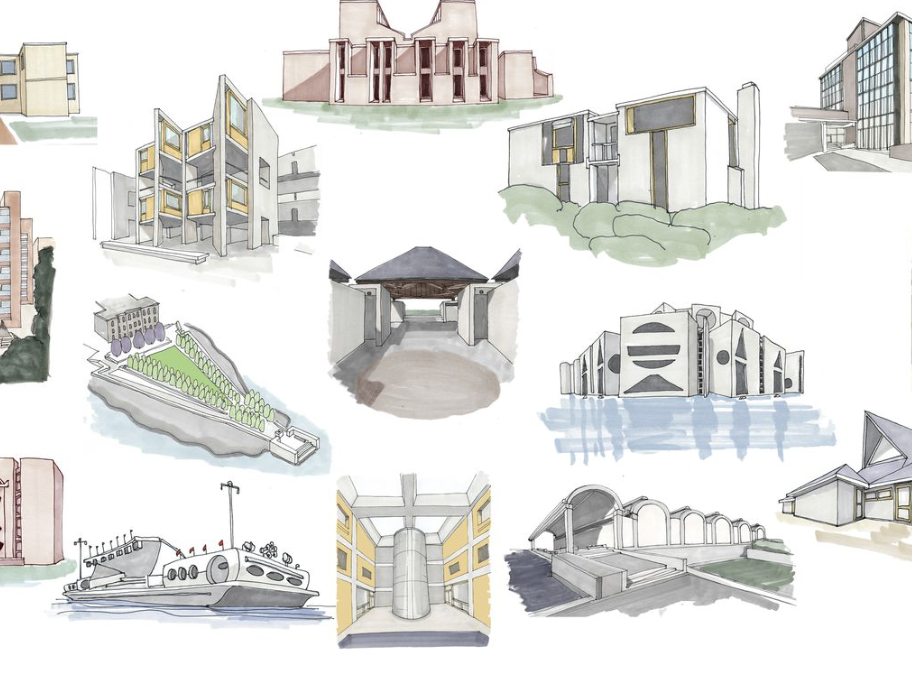
Louis Kahn: The Architect of Silence, Light, and the Eternal
Few architects have carried the moral weight of architecture as Louis Kahn. His buildings are more than buildings, but carries this timeless, silent feeling. To walk through a Kahn building is to enter a place where connection between human, material and nature exists, and questions the essence of architecture. Kahn’s work stands at the intersection of modernism and monumentality, of rational structure and metaphysical inquiry. He taught us that architecture is not only about what is built, but why it is built, laying down the foundation for generations of architects to come.
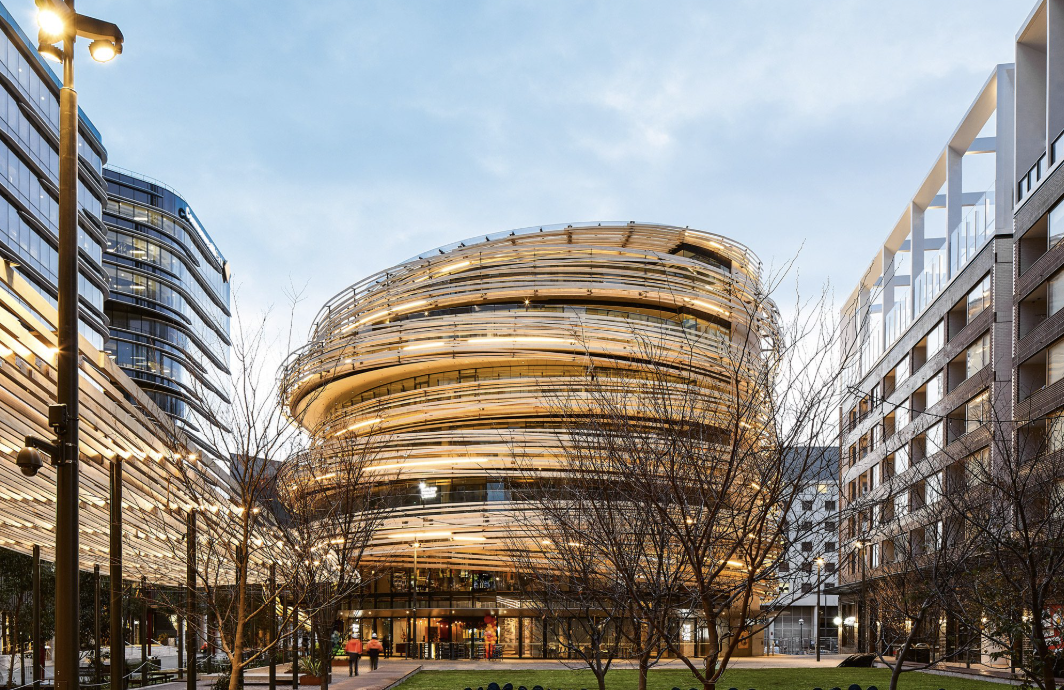
Kengo Kuma: Architecture of Disappearance — Nature, Craft, and the Poetics of Lightness
In an age filled with glass facades, Kengo Kuma’s work stands out instantly. Looking at his work, the usage of wood, vernacular methods and unique facades instantly jumps at you, making the building feel more lively than static. Kuma seeks to dissolve the boundary between building and environment by grounding his practice in vernacular Japanese craft, yet remaining technologically driven, becoming one of the most influential architects in the 21st century.
This post explores the evolution of Kengo Kuma’s practice, his design philosophy of “anti-object”, the methods and tools that underpin his work, and how his architecture offers an alternative to modern architecture.
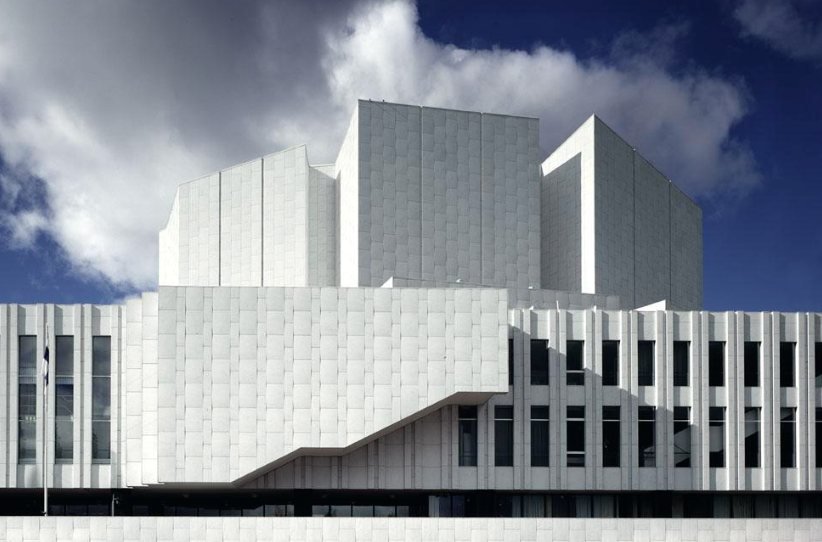
Alvar Aalto: The Human Modernist — Between Nature, Culture, and the Everyday
In the fast paced world of architecture, Alvar Aalto seems to get neglected in comparison to other architects of his time. He reintroduced the human body and natural landscape back into modern architecture, with his work often being called the ‘humanist of modernism’. He bridged the modern brutalist architecture with vernacular craft and nordic architecture. His work, including furniture pieces, can best be seen as instruments of comfort, light and care. This post explores Aalto’s life, design philosophy, and unique practice, examining how his synthesis of modernity and empathy continues to shape architecture today.
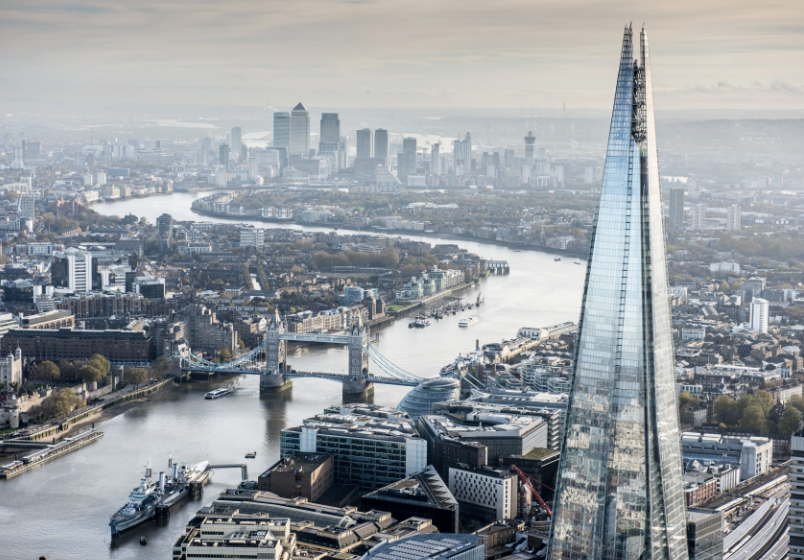
Renzo Piano: The Lightness of Making — an in-depth look at his practice and philosophy
Renzo Piano’s architecture is bold, it seems almost like an engineer and artist merging their brains into one. He is one of the few late-20th/ early 21st century architects whose work is distinctive enough from a distance away, work bathed in natural light, fine technical systems, elegant design and structural clarity. In this post, we look at Piano’s life, and delve into the nuances of his practice, his belief and workflow, but most importantly we examine how his buildings embody a particular ethical project — architecture made to last by being honest, light, and useful.
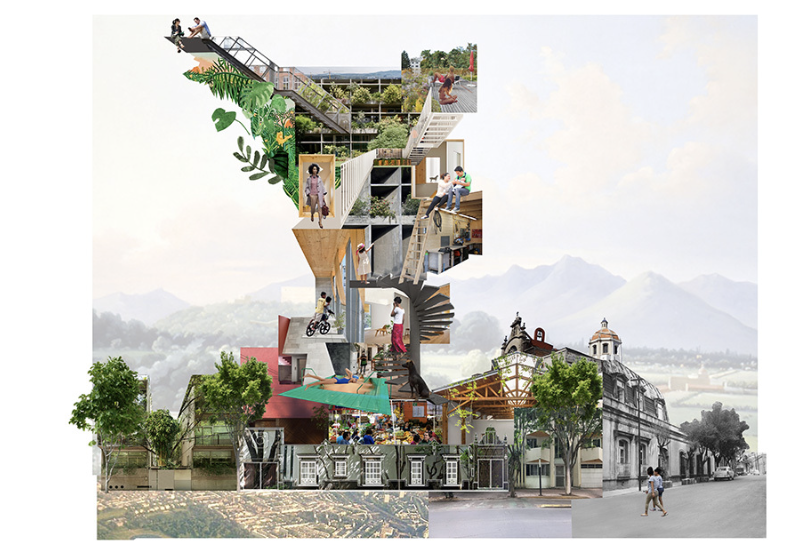
Tatiana Bilbao: Architecture as Care — an in-depth look at her practice and philosophy
Known for her creative collages that are seen throughout architecture school, Tatiana Bilbao is one of the world's leading architects, and her works focuses on social housing, civic infrastructure and environmental interventions, being both pragmatically and politically engaged with architecture. In recent years, she began to practice architecture as a form of care, turning a key interest in affordability and adaptability of architecture. This post unpacks her biography, key projects, recurring methods and the ethical core that makes her work distinctive.
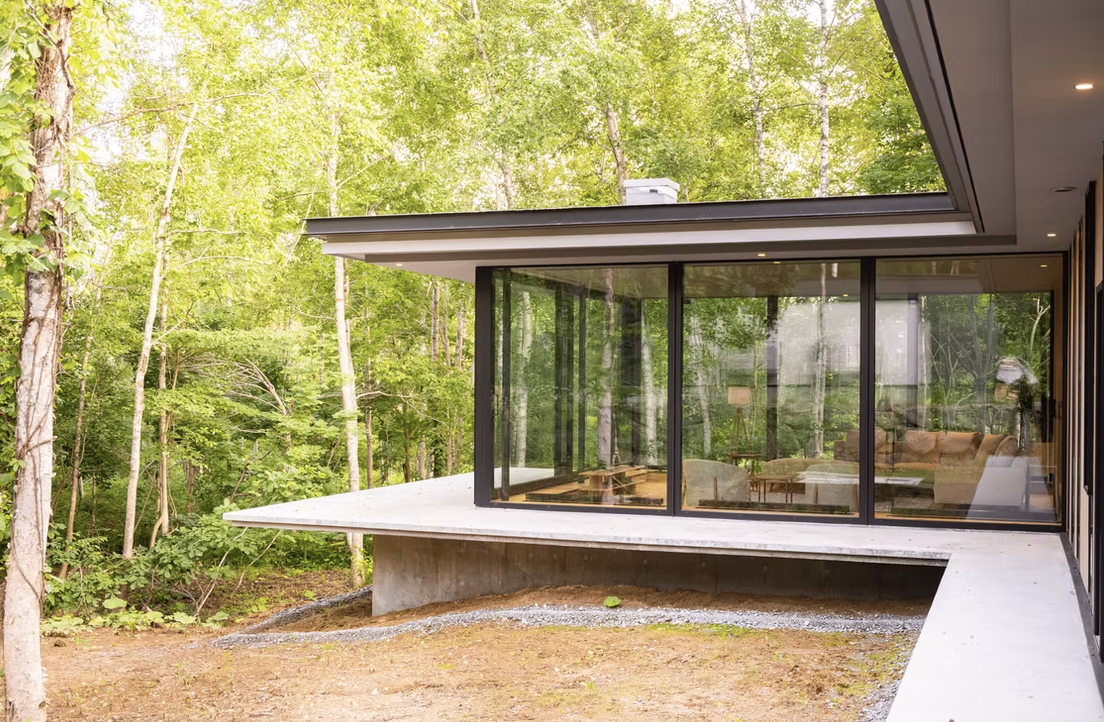
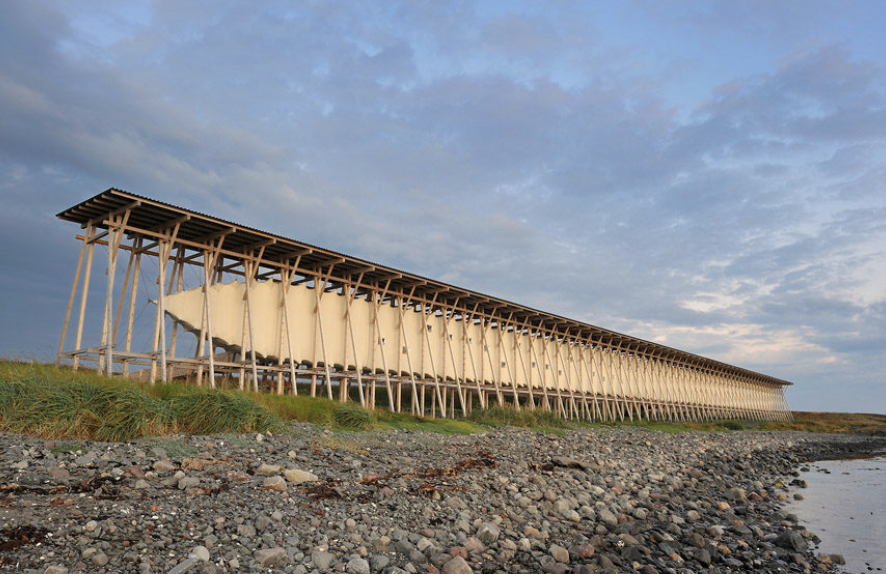
The Legendary Peter Zumthor
Perhaps my favourite material master and architect, Peter Zumthor is a master Swiss architect whose work has become a symbol of material mastery and sensory rich architecture. Zumthor, who was awarded the prestigious Pritzker Prize in 2009, is often described as the anti-starchitect. Rather than working on big projects or having an internationally renowned large firm, Zumthor decides to work in his own home, and is more concerned about the tactility and ‘physical emotion’ of space. In this blog post, we’ll delve into his practice, his historical background, the core of his philosophical approach, the methods and tools he uses, how his practice is unique, and his continuing relevance.
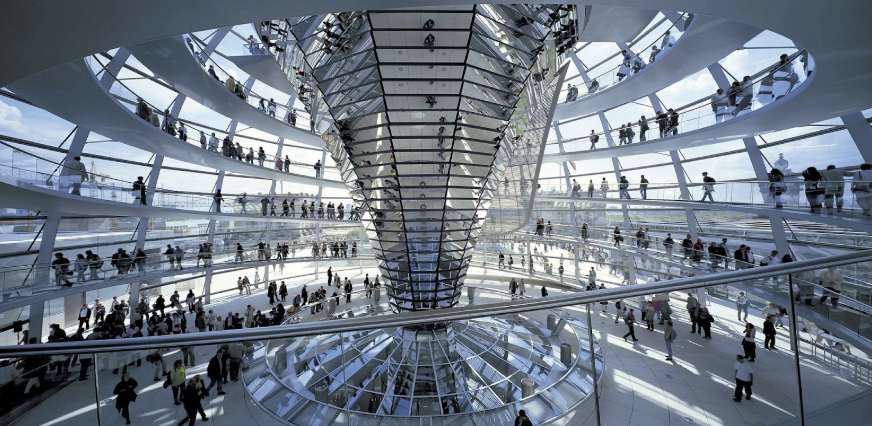
Norman Foster
If we talk about the architect, then it would probably be Norman Foster. He is probably the most influential architect of the century, and a pioneer of technological innovation in architecture. His works include the most iconic buildings, airports and structures across the globe, and has his own distinctive design taste and philosophy. More than just a stylistic icon, Foster’s practice explores the intersection of technology, environment, and urban life. In this article we’ll look at his background and practice, his design philosophy, signature methods and tools, what makes his approach unique, and his legacy today.

OMA: Architecture as a System of Thinking
We often associate Rem Koolhaas with his bold designs, yet unlike other starchitects his firm isn’t associated with his name, but rather has a more boring name: The Office for Metropolitan Architecture (OMA). Yet, don’t let the boring title deceive you, its practice has consistently pushed the boundaries of architecture. Founded in 1975 by Rem Koolhaas, Elia Zenghelis, Madelon Vriesndorp and Zoe Zenghelis, OMA , to many architects, has been an intellectual powerhouse, using architecture as a tool to redefine and shape the built environment and design ideologies. OMA’s architecture is not about beauty in the traditional sense — it is about revealing the forces that shape form: capital, bureaucracy, politics, media, and desire.
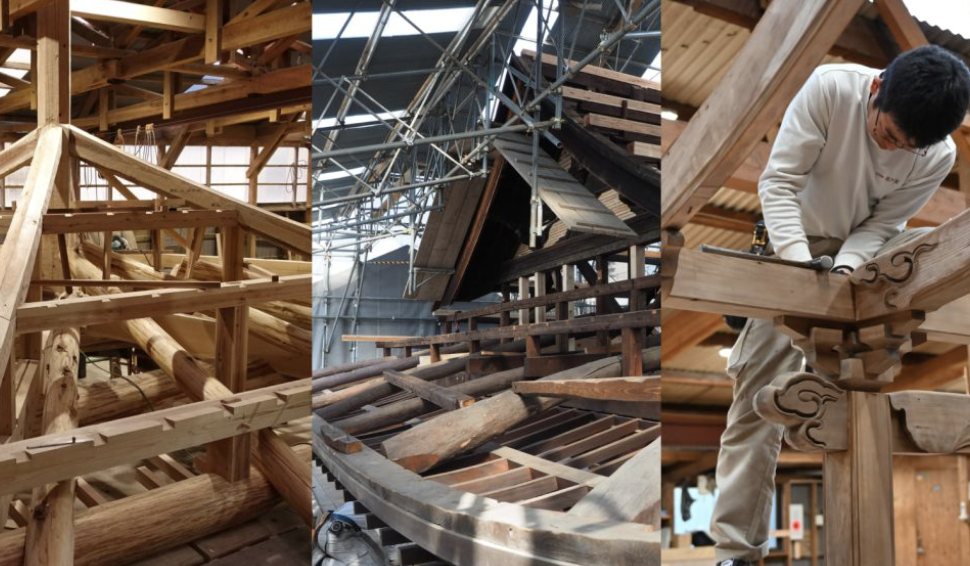
The Art of Impermanence: Japanese Wooden Joinery and the Architecture of Craft
It all begins with an iAs an aspiring architect and historian, I am constantly fascinated by how architecture can be used to tell stories, and represent culture. In Japan, despite the grandeur of the famous temples, I am fascinated by its construction methods, how it can be so simple, yet so strong. Japanese architecture, especially vernacular ones, can best reflect the skill of the craftsman, and the well versed knowledge of knowing materiality, building, and physics. Using wood joinery for temples or called miyadaiku (宮大工, temple carpentry), artisans have consistently preserved one of the most sophisticated craft systems. Yet Its mastery lies not just in structure, but a philosophy of impermanence and precision, honoring history, culture and structure at the same time.dea.
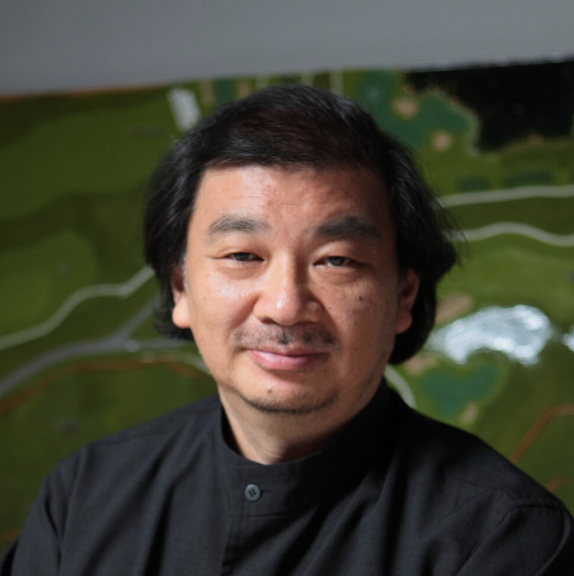
Shigeru Ban, A Humanitarian Architect
One of the most famous and compelling architects of our time, Shigeru Ban navigates between designing famous buildings and his desire to produce humanitarian interventionist architecture. His practice, similar to Kengo Kuma, emphasizes the Japanese tradition of materiality, responsibility and adaptability, as well as the need for architecture to serve people and society.
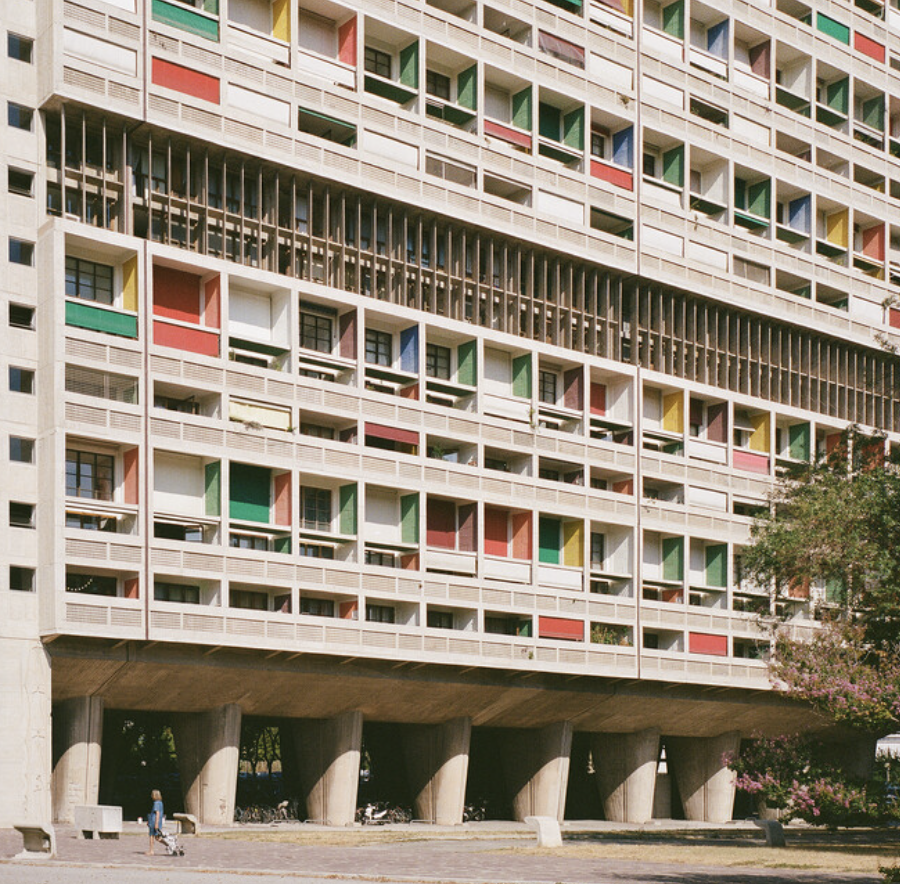
Le Corbusier: The Architect Who Dreamed in Concrete and Light
If one had to pick the architect that shaped the modern age of architecture, it would have to be Le Corbusier. Born as Charles-Edouard Jeanneret in 1887 in La Chaux-de-Fonds, Switzerland, Le Corbusier became the revolutionary figure of modern day architecture, whose theories and ideas continue to shape fundamental design principles today. To study Le Corbusier is to study modern architecture itself: its optimism, its contradictions, and its belief in progress.