An Architectural Diary, Thoughts, Notes, and Reflections
Noforma Intern Summary, thoughts and reflections (Grade 9-10)
HMI Alba House.
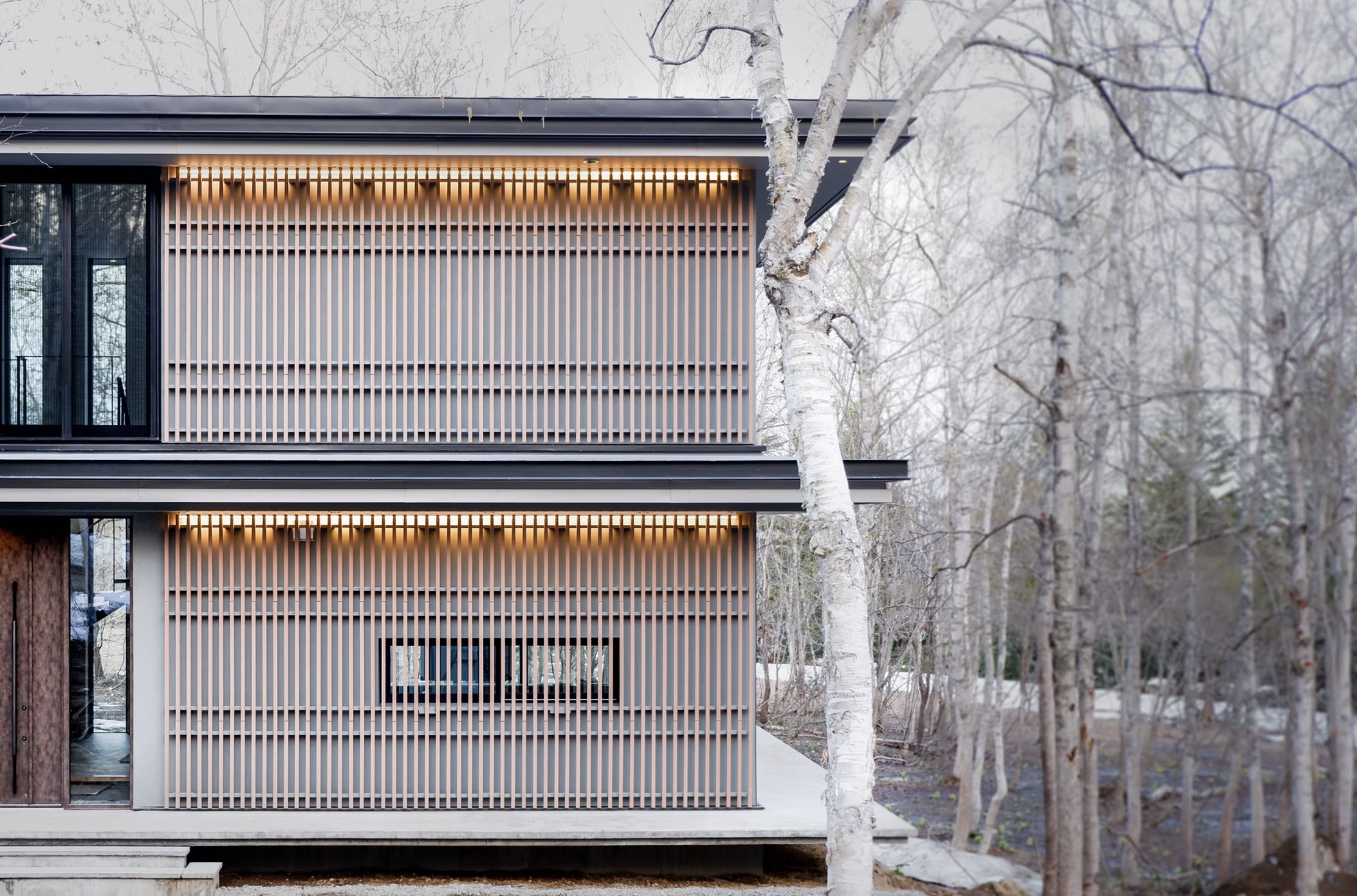
First time seeing the furniture installation project, I think it was pretty unique since it was just the team to save costs(around the 5 of us). Everything was offloaded into the house and spent the first few days unpacking and sorting. I also spent the day figuring out the exact details of the aircon, gas and fridge and checking connections. The easiest part of installation was definitely the bar stools.
Next week I came back to the house with developers to do a fault check. At first I thought the house was already in good shape, just lacking some decorations, however going around with them they pointed out every single minute detail that wasn’t right, and really opened my eyes towards detail orientation and thinking as a developer rather than an architect. Learned how to scale a project, how many rooms, marketability and things to fix before delivery. I also learned how pricing and mortgages work in Japan compared to Hong Kong, which was quite fascinating. Spent the week in Sapporo picking out carpets, pillows, plants and loose furnishings. Seeing the importance of interior design, creates a whole new life towards the project.
LAND Surveying and shadowing developers:
Makari Project:
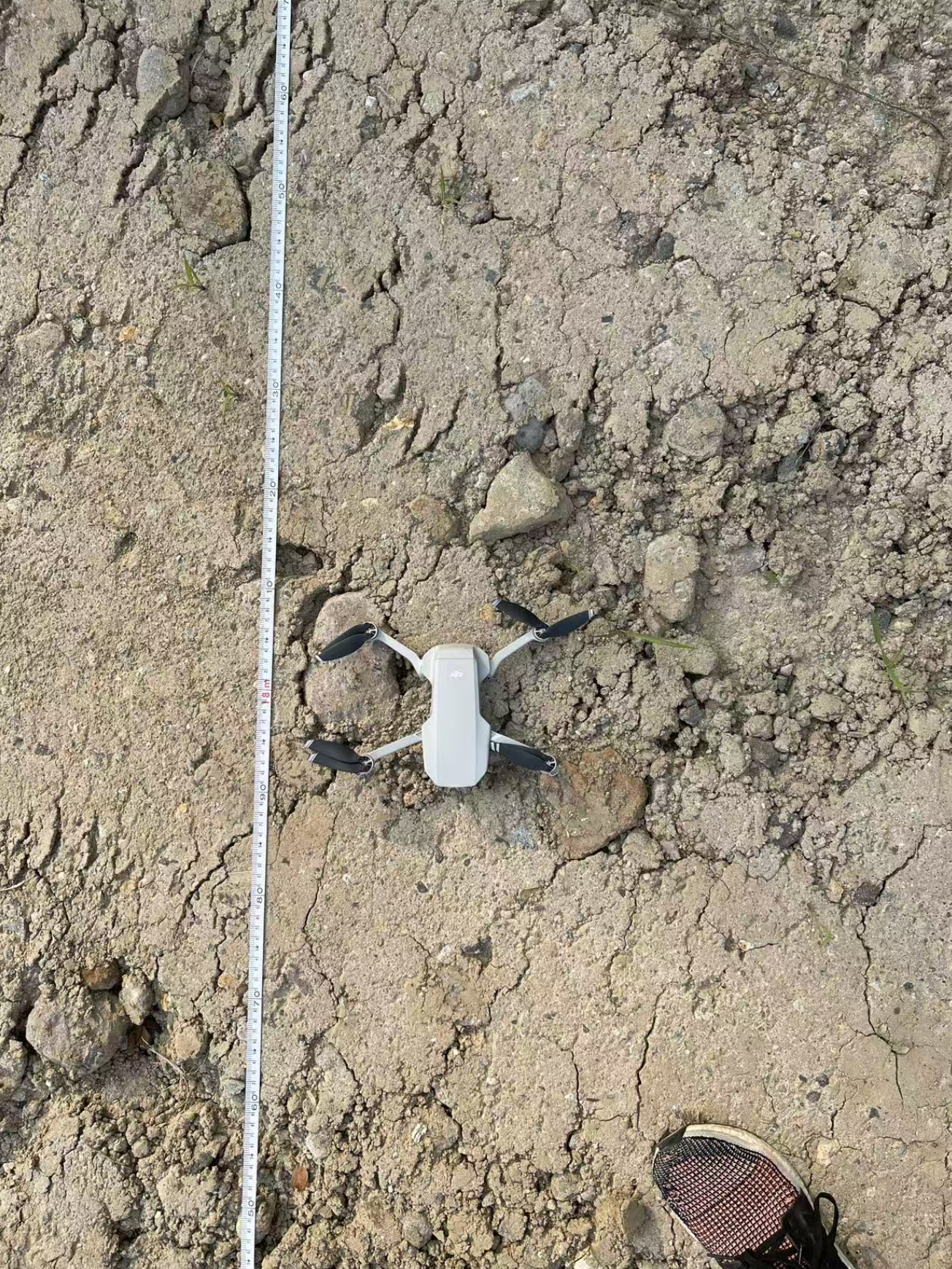
Went to visit the site, architects began mapping out different scales and documenting current site conditions. I was able to ask developers some questions about the project, including his scale of how many homes he planned to build, pricing, and how to market a project. I also learnt how to buy land in Japan, and coordinate with both local and international architects. Saw some unforeseeable problems that needed to get resolved such as a hidden boulder, contract management etc.. there is a lot more towards the untrained eye.
ODIN Hills
A huge developmental project, over 70 plots of land, did site inspection with Luca, tasked with designing a model for one of their plot types, measuring different heights of container and distances, as well as taking drone shots. measurement used to scale for rendering to get ideal views of yotei. challenging projects as expensive plots but also so many buildings would cause the view to be blocked. Also was able to collect some soil samples for the surveyor which was very cool.
TOKYO ATAMI RENOVATION
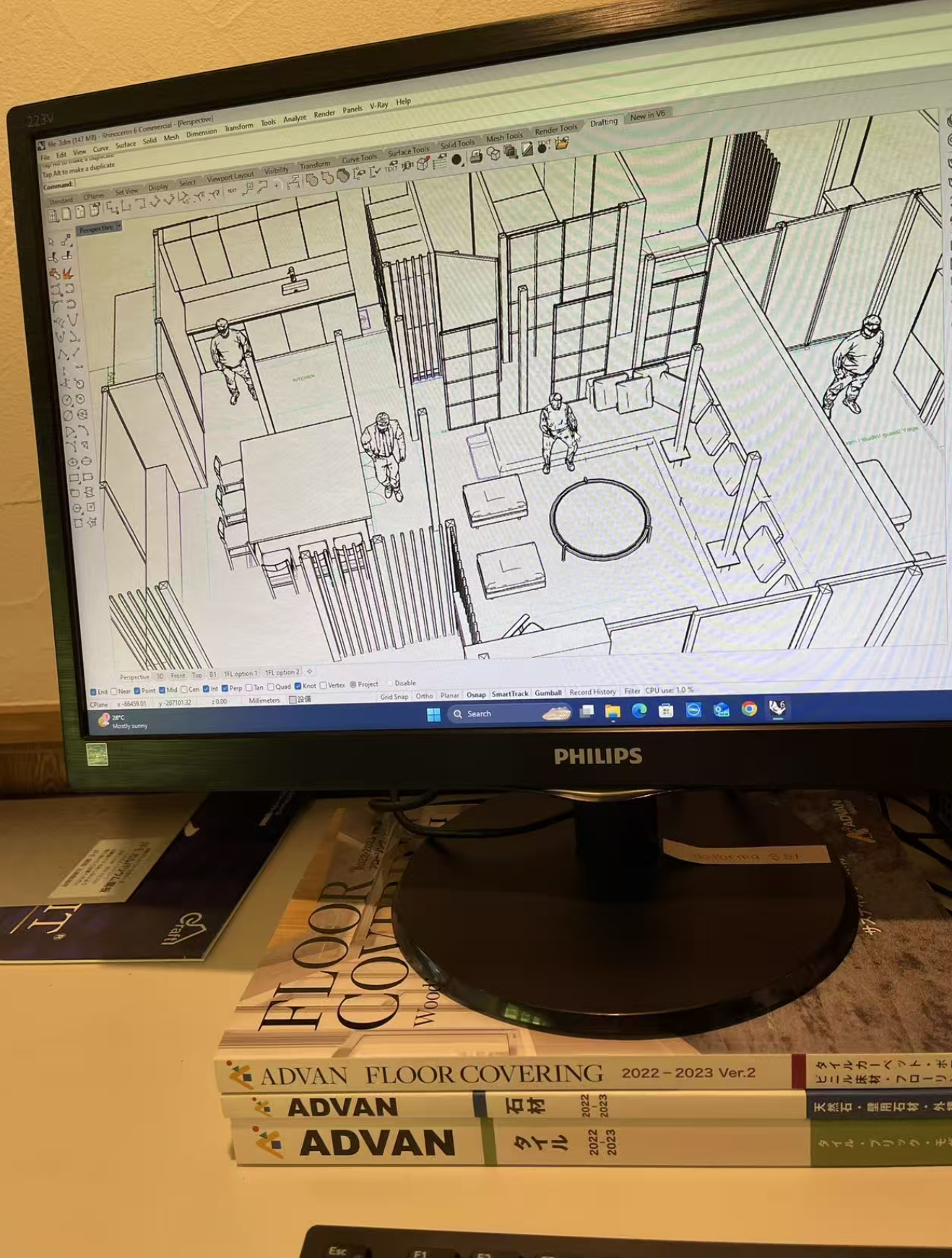
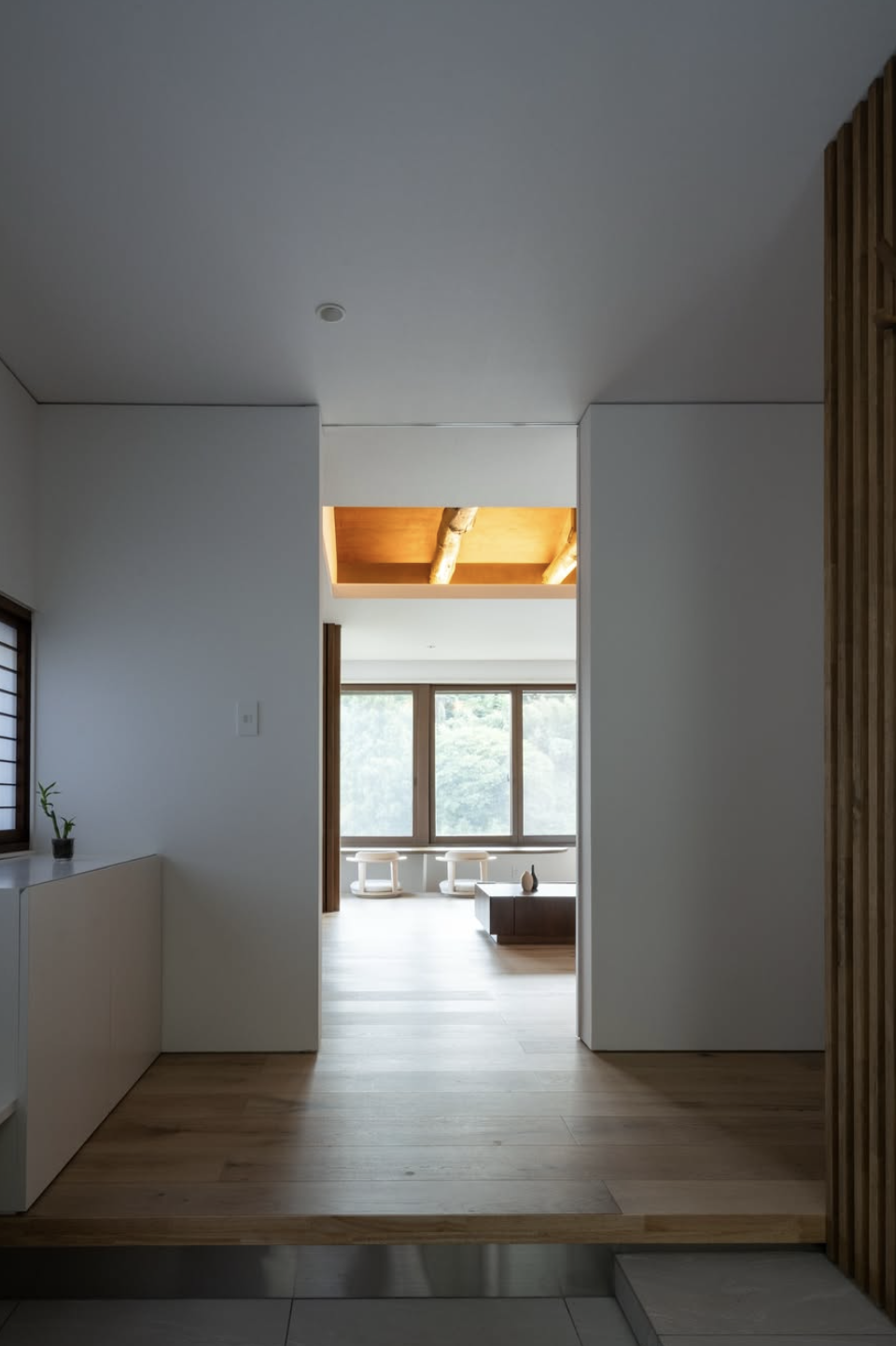
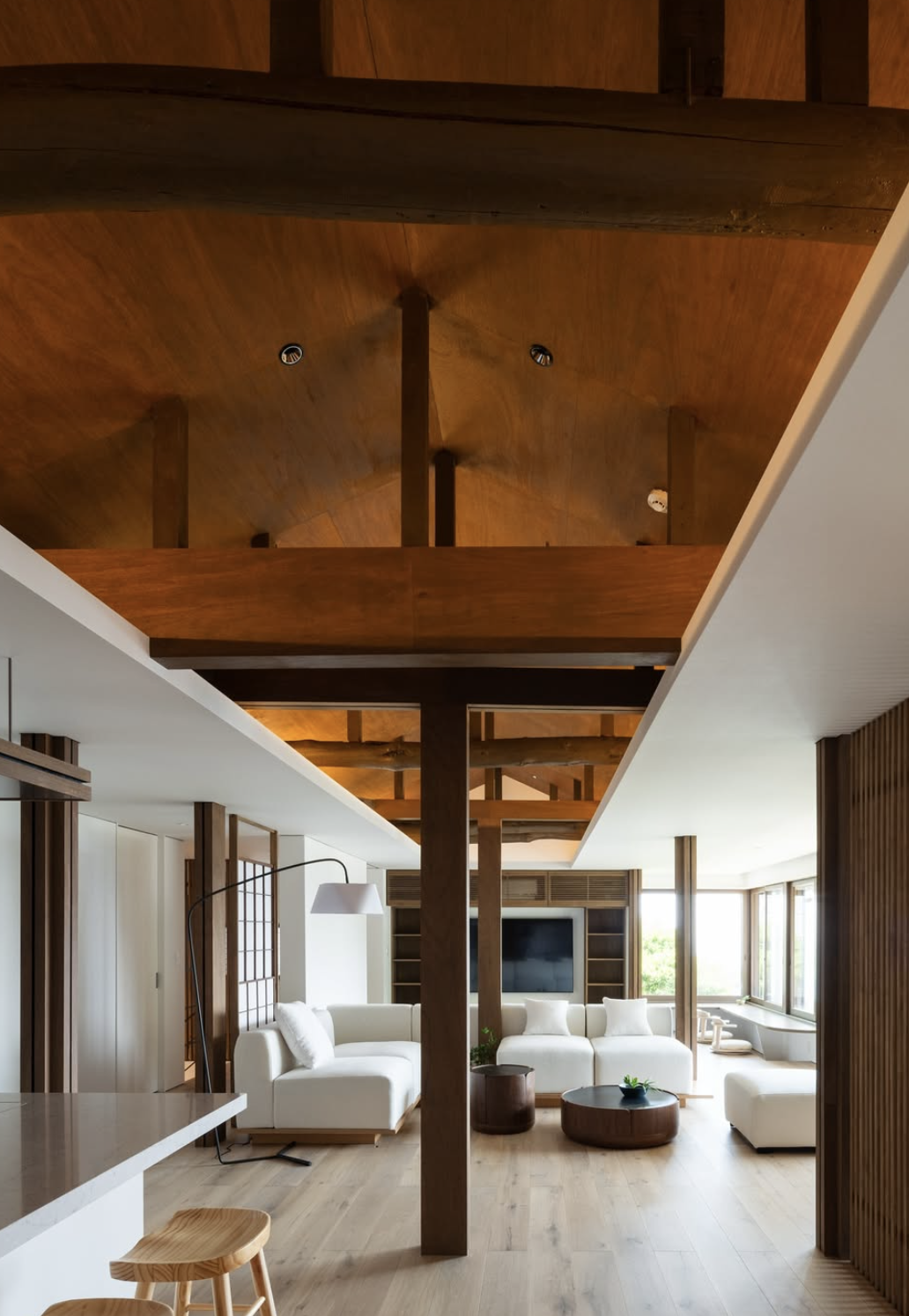
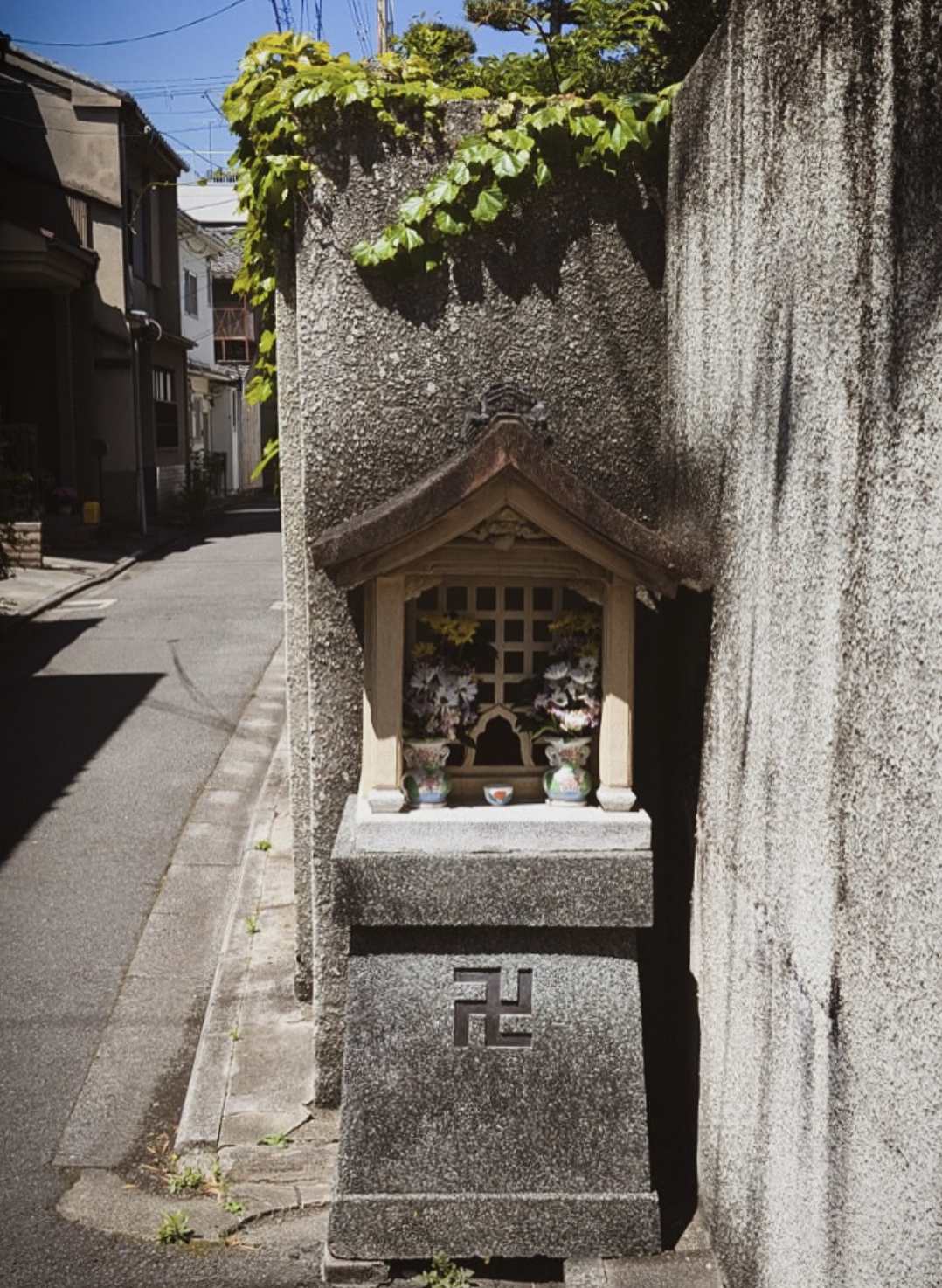
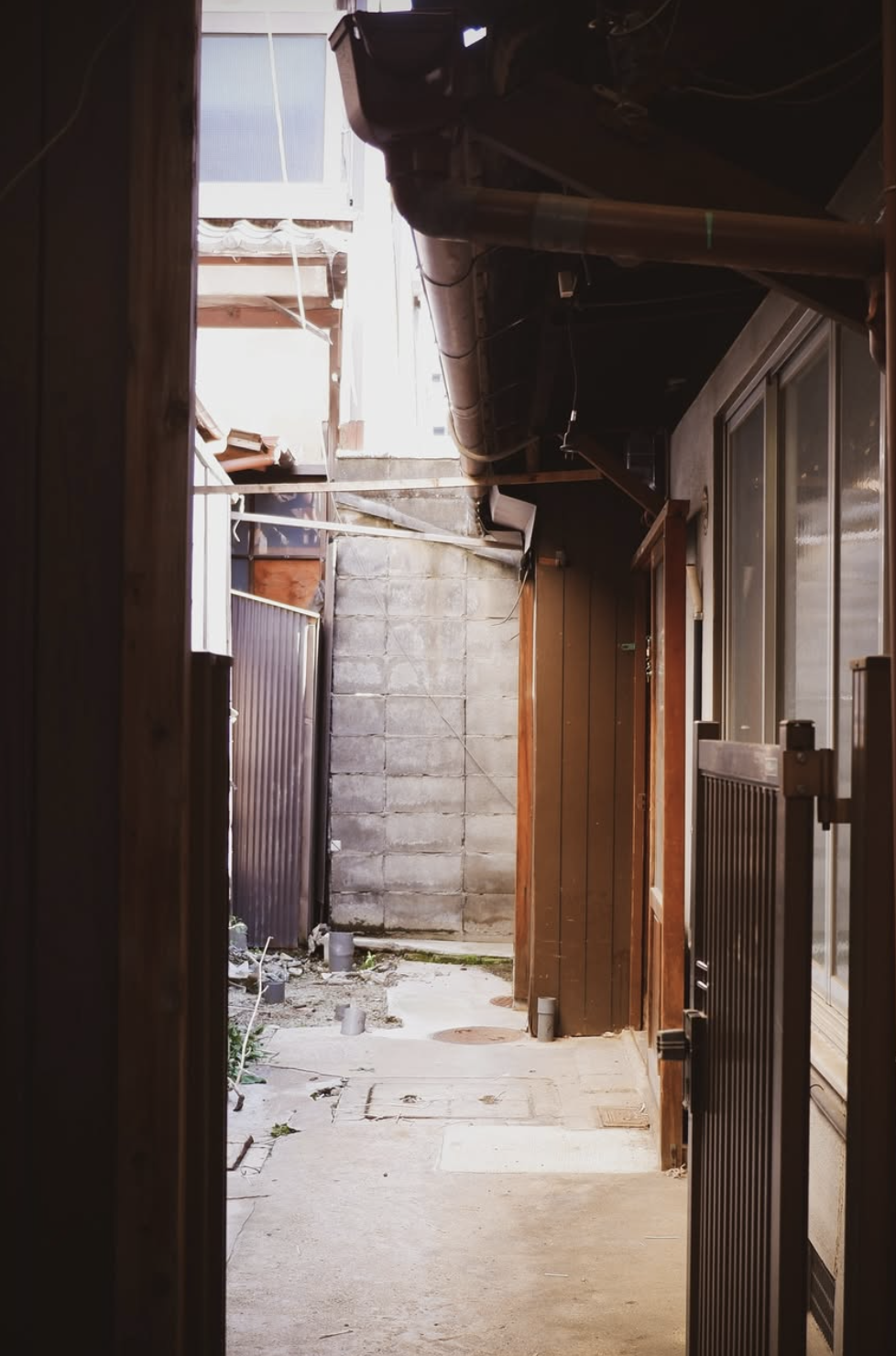
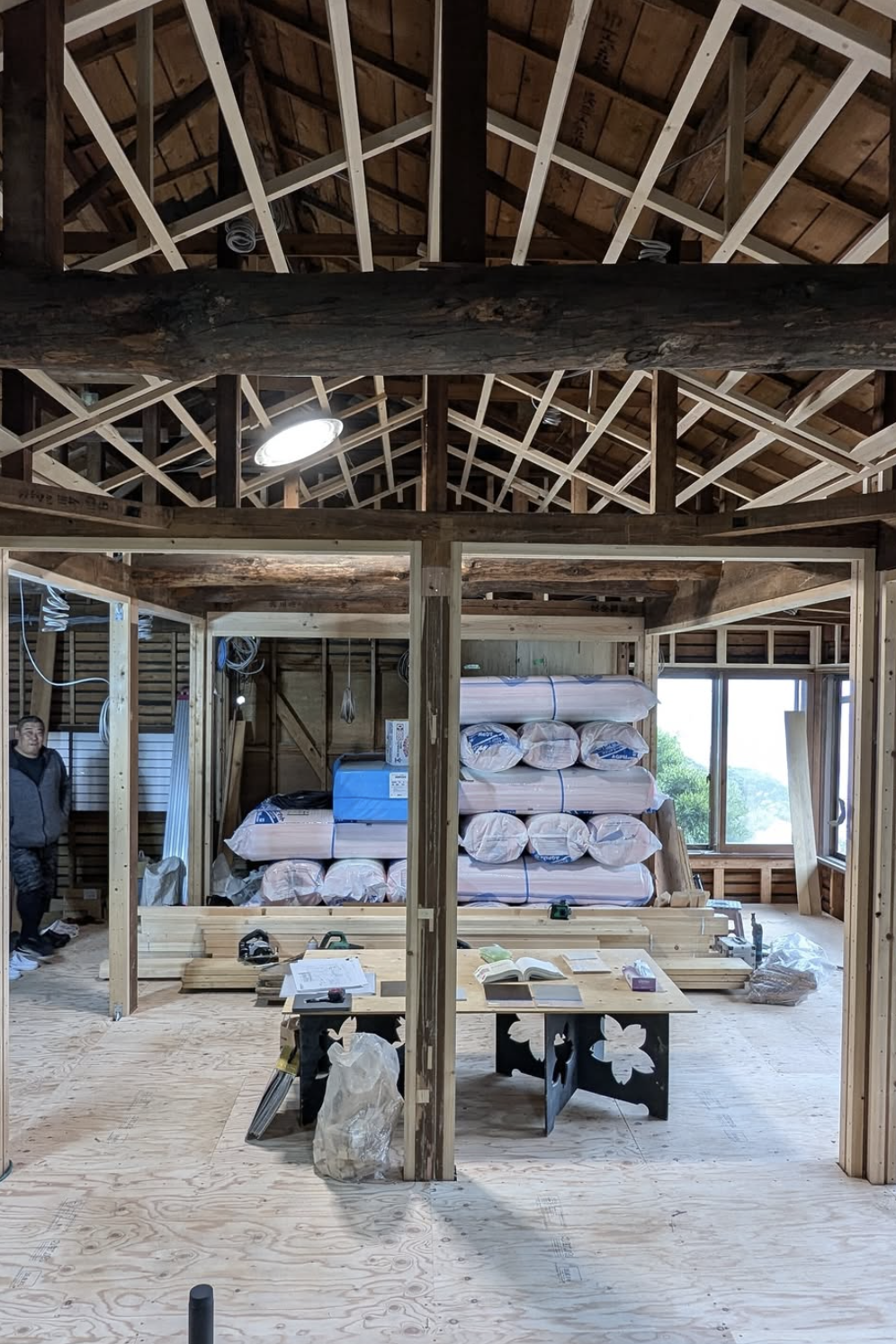
This was by far the coolest project I have worked on to date. The house was bought by a super nice couple who I was able to meet and present to, and when I arrived I got a folder field with photos of the site, its overall context, structural elements and current conditions. I was able to work with a team on design proposals but encountered some big challenges in my proposed plan with regulations that I had not expected, wasted basically a week but found the final product to be even more rewarding. Also was thrown into the deep end working in a smaller firm learning all the new software tools myself but I also appreciated that. Preserved features such as pillars, wood, tatami, futon, hinoki, onsen, kotatsu, shoji during cad modelling and integrating it to suit the owners needs.
3. General observations and reflections
very cool to see a small scaled firm, learned how Japanese building rules are actually quite loose although that may change, saw a lot of clients and demand and how architects are also project managers, and how to balance creativity and economical side of things -learned business side from developers point of view, how to minimise risk, how to deal with problems, collaborate with many partners etc.
CMU Introduction
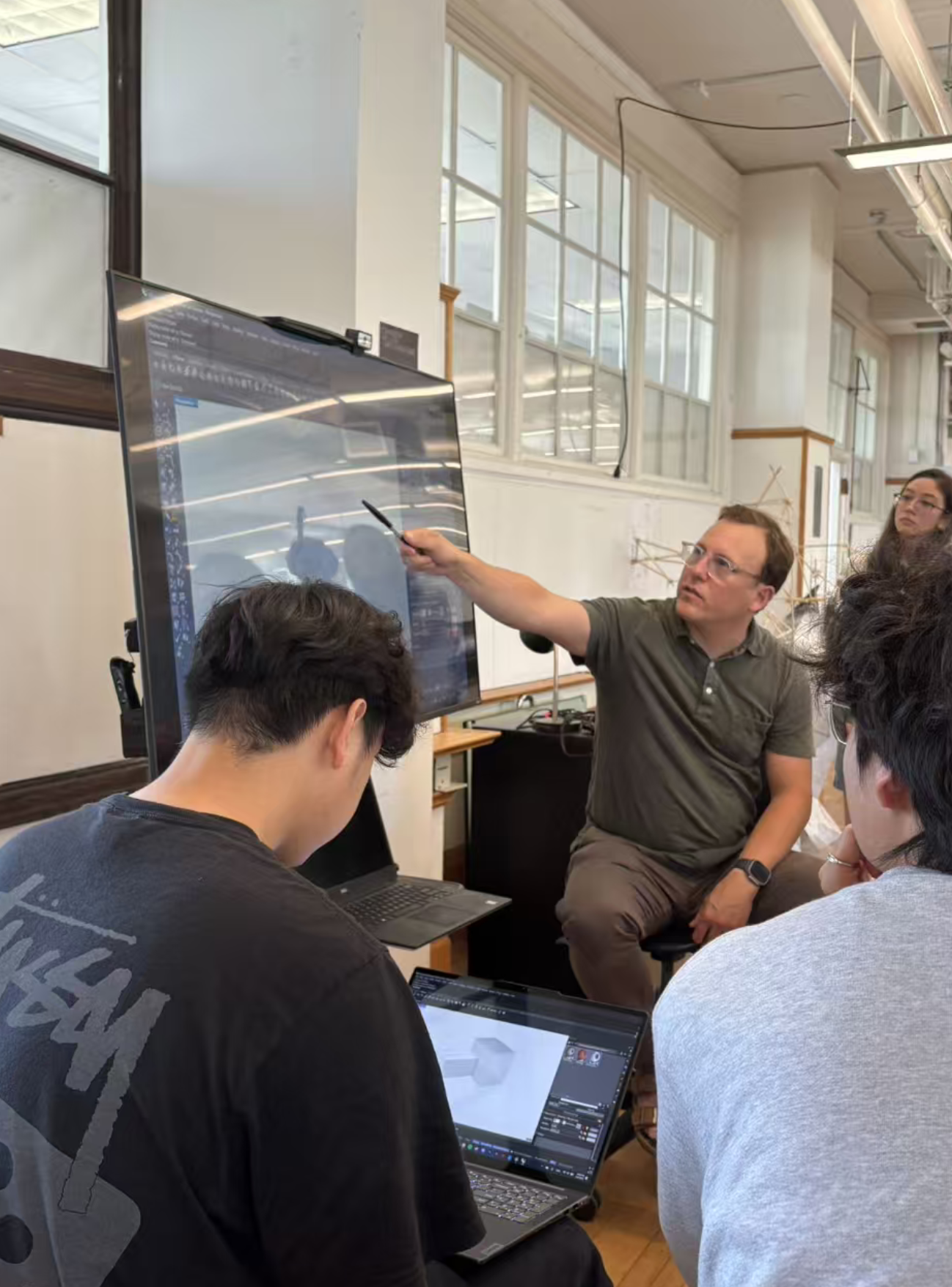
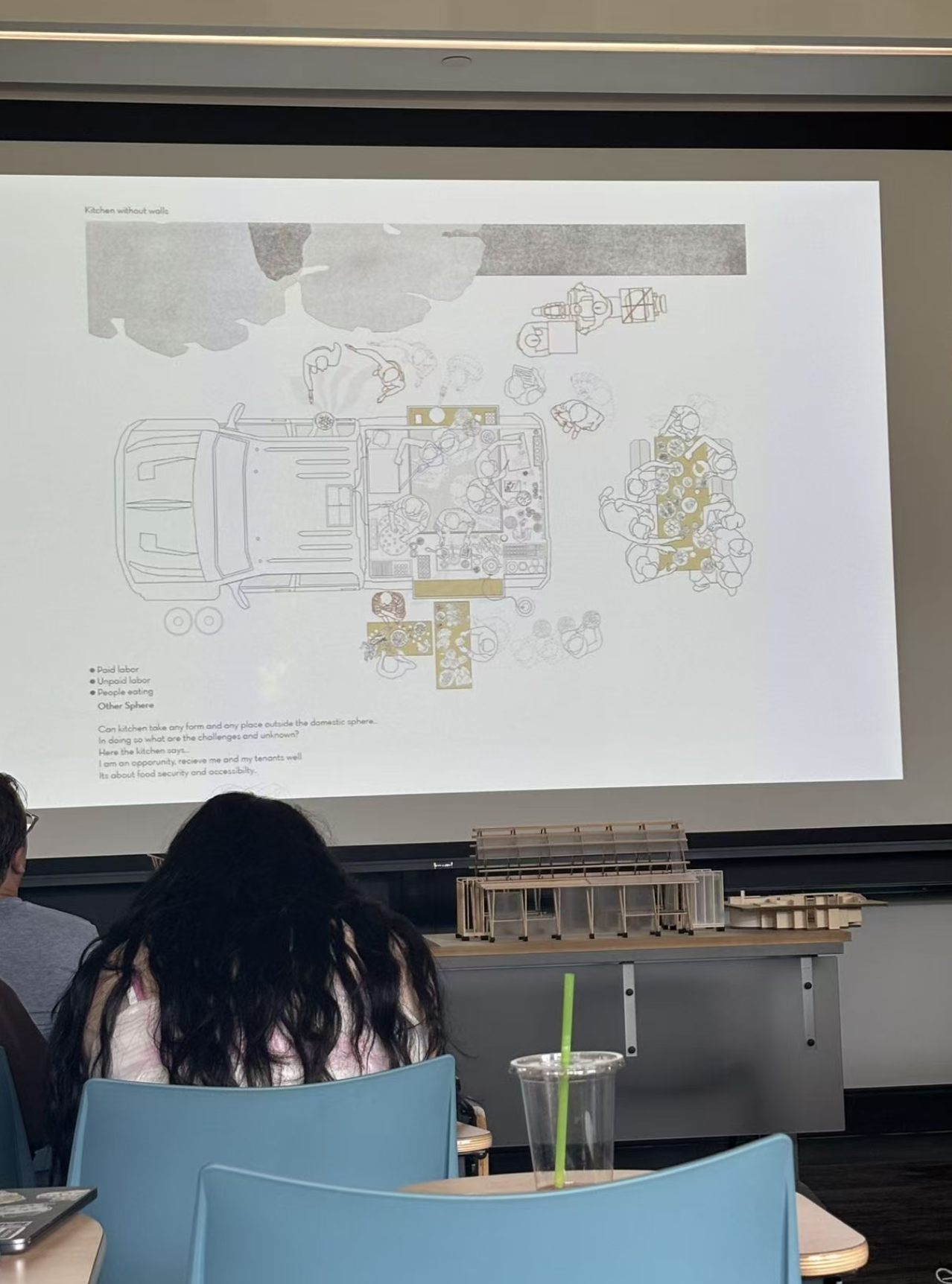
During my experiences at CMU Precollege, I was able to attend weekly seminars where faculty gave lectures about their work, expertise and research. Through these seminars, I was able to expand my interest in vernacular research, as well as expand my insights in modern practice. I've documented and recorded some notes from below.

Prof. Yang:
Professor Yang doesn’t consider himself an architect, but more of an HMoob Designer, a person who loves exploring vernacular art, particularly in relation to his own culture the Miao people 苗族. During his lectures, I was fascinated by his research in vernacular tectonic architecture, focusing on traditional wooden joinery techniques. He had conducted extensive research trips with CMU students to learn traditional bamboo and wooden vernacular construction techniques in Chiang Mai (Northern Thailand), and explored how to not only create structures, but understand materiality, and document stories of locals through drawings, architecture and materials, something I found particularly memorable and inspiring. But other than that, he showed a more inventive side of architecture, one that differs from modern practice with the introduction of telling stories through game design. During my Precollege, I was also able to see him work with students at CMU, applying vernacular and tectonic studies towards design, and I found it extremely fascinating and insightful.
Prof Achnani, Thinking Hands:
Sticking with the vernacular theme, Prof Achnani was one of the most “hands on” professors in the program. Throughout each studio assignment, he always pushed students to use physical model making rather than digital tools, and I always questioned why. But looking back, it made a lot of sense with his architectural approach, one that emphasized focus on traditional tools, and materiality experiments. In his lecture, he focused on his work as a student and as a researcher, noting his philosophy in “thinking with hands”, doing everything the traditional way despite being in an age where technology can oftentimes take over large amounts of the design process. He also hosts his own individual research lab at school, focusing especially on the material of bamboo, and its playful yet strong properties and how they can be used to create community based intervention architecture, building schools in India, greenhouses and pavilions on campus.
Prof Groff:
Professor Groff probably had the most real practice experience. His lecture was fascinating in the sense that I got to see how big practices work in the real world, how they navigate clients, constraints and design methodologies, and I was also able to see all the other factors involved in the process. For his lecture, Professor Groff covered his work at ShOP architects, and his main project that he was involved in, the uber headquarters. His role in the project mainly consisted of creating the breathable glass facade, with his point being that sometimes, architects become engineers with design solutions. He also talked about how firms operate, not just from a hierarchical standpoint but from a collaborative one, where everyone can have inputs on the design. I found his lecture to be super insightful on practice in the real world.
HKU architecture lecture series/podcast reflections
Kristof Crolla – Ep. 34
In this podcast, Professor Crolla discusses his research as the head of technology transfer in HKU Architecture department, and his work as the director of the Building Simplexity Lab. During this podcast episode, he discussed the ZCB Bamboo Pavilion in Hong Kong, and his belief that traditional craft and technology are crucial in modern practice, and can expand the limits of architecture. Through his pavilion example, he shared that digital technology, such as parametric techniques, can not only explore the materiality limits of bamboo, but also ways of construction. He encourages us to not just model or build things but rethink the process of design, getting hands on, especially in dense metropolises like Hong Kong. He also encourages architects to not just consider how it looks, but how it's made and built.
Human Wu — ArchiTalks Episode 23
For this episode, Professor Wu discusses his work on M+ museum in the West Kowloon Cultural District in Hong Kong. He talked about his focus on the design and building process of the museum, specifically how architects navigated the different parities involved, the complexity of the design, materials used, and how best to create an adaptable open space. For me, I was struck by the complexity of project coordination. While we often focus on the immediate design itself, we often neglect the banal issues of logistics, labour, budget and scheduling that shape the design in many ways. I also found it compelling how he talked about the trade off of sleek facades, how many young architects would just aim at a specific texture or design, without considering construction costs, life span and maintenance. It was very insightful to learn about this case study and practice in architecture.
Clover Lee — ArchiTalks Episode 8
In this episode, Clover Lee highlights the value of historical residential architecture on modern residential practice. Specifically, she highlights a case study in a villa designed by Gio Ponti. She emphasizes that thoughtful residential design must engage with context, materiality and light, and should be human centric, even if there are tight restraints such as in Hong Kong. Her role as a practitioner in this design philosophy guides her own design practice and her studio at HKU, teaching students and practitioners alike to draw insight from architectural heritage to create responsive, contextual, and delightful everyday spaces.
