Le Corbusier: The Architect Who Dreamed in Concrete and Light
If one had to pick the architect that shaped the modern age of architecture, it would have to be Le Corbusier. Born as Charles-Edouard Jeanneret in 1887 in La Chaux-de-Fonds, Switzerland, Le Corbusier became the revolutionary figure of modern day architecture, whose theories and ideas continue to shape fundamental design principles today. To study Le Corbusier is to study modern architecture itself: its optimism, its contradictions, and its belief in progress.
A Modernist Vision for a New World
Emerging from troubling times with world wars and tense political climates, Le Corbusier wanted architecture to become a tool for social reform. He believed that by rationalizing space through structure, materiality and standardization, architects could shape and influence human life. He believed, in particular, to serve humans with precision and efficiency, even quoting that “A house is a machine for living in.”
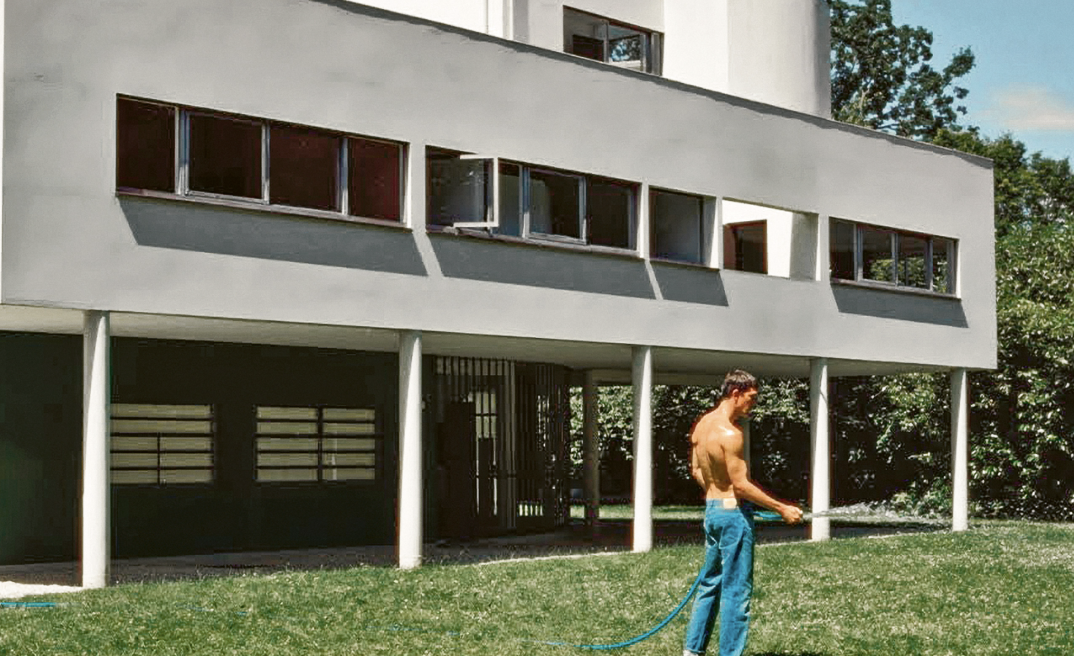
Le Corbusier famously created the “Five Points of architecture” : Pilotis (columns), free pan, free facade, ribbon windows and roof gardens, becoming the norm for modernist architecture. In projects such as the Villa Savoye (1931) and the Unité d’Habitation in Marseille (1952), he turned these principles into built manifestos: homes lifted from the ground, bathed in light, and defined by proportion and clarity.
Philosophy and Humanism
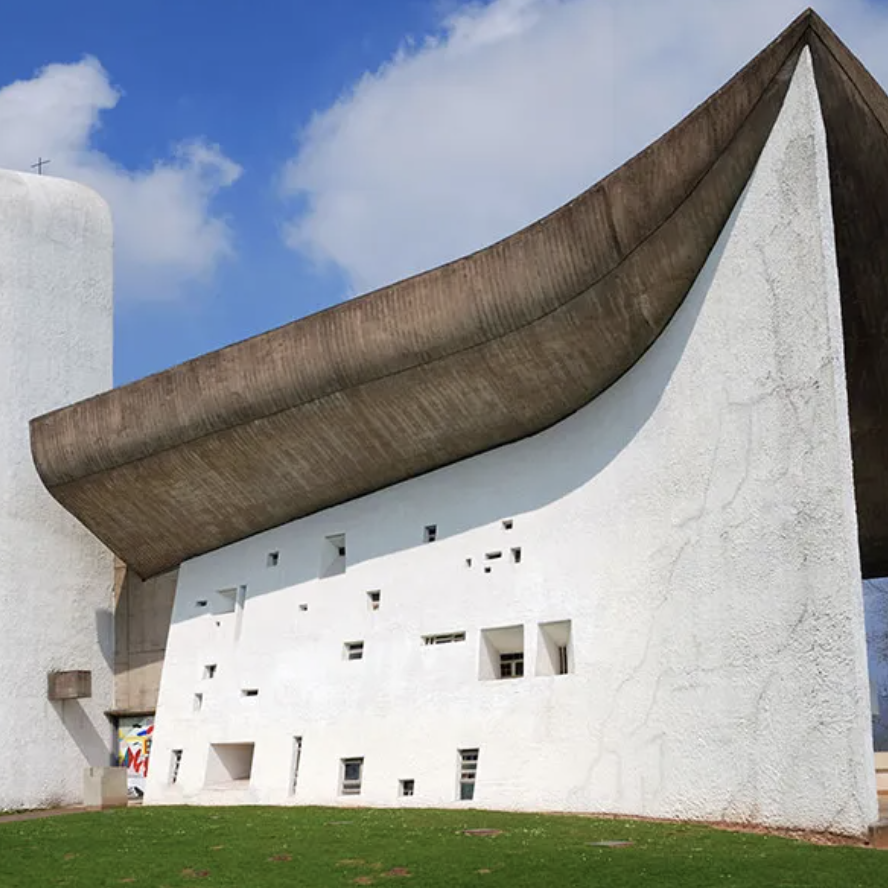
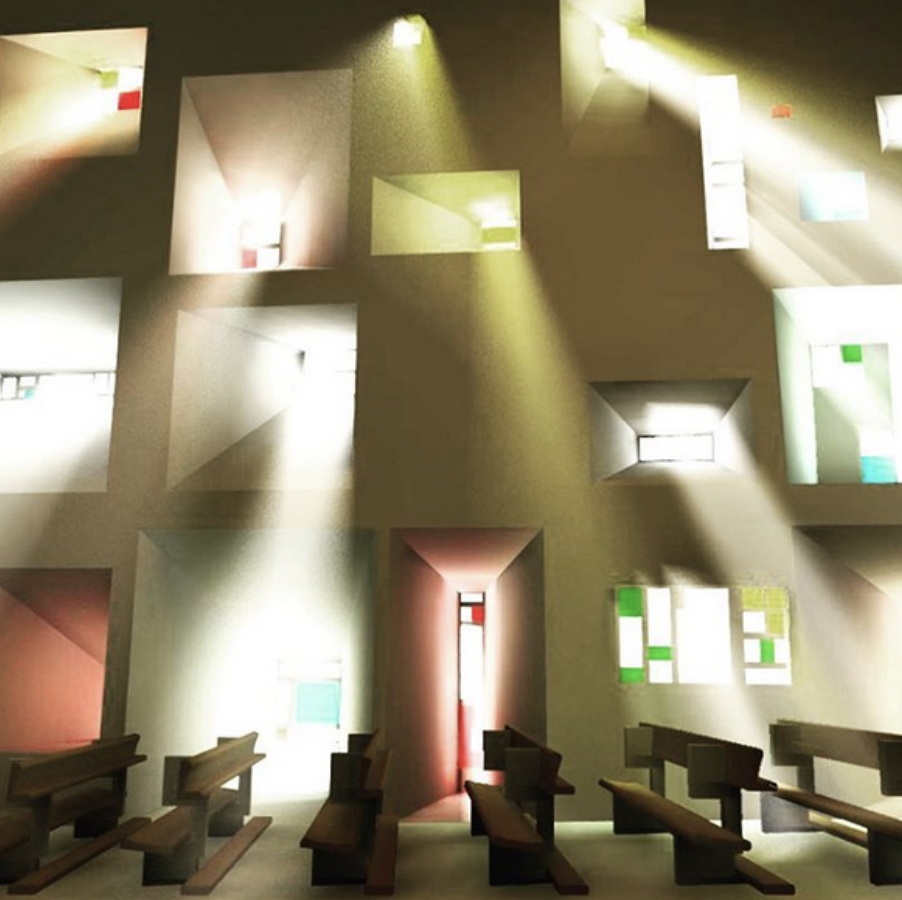
Despite this ‘extreme’ rationalism, Le Corbusier was not a technocrat. He was fascinated with light, shadow and dimensions of space. This can best be seen by his famous Chapel of Notre Dame du Haut in Ronchamp (1955). This work marked a departure from his earlier work, and serves as a symbol of sculptural form using concrete. Its most iconic feature, the curvaceous roof, appears to both be grounded yet float on top of the asymmetrical walls. The walls itself, although seem random, are carefully planned light arrays, transforming the interior into an open feeling despite its closure. This deliberate manipulation of light and shadow, combined with the organic, fortress-like exterior that embraces the contours of the hilltop site, creates a powerfully primitive and tactile sanctuary, re-establishing architecture's capacity for awe and transcendental experience.
In his own words:
“Architecture is the learned game, correct and magnificent, of forms assembled in the light.”
Le Corbusier’s complex legacy endures in his vision of the modern city—expressed in plans like the Ville Radieuse—which continues to influence urban design for better and for worse, giving rise to both inspiring housing ideals and sterile imitations through his pursuit of order and efficiency. What persists is not only his formal innovation but his profound conviction that architecture could transform how we live; to walk through one of his buildings today—to feel sunlight slide across concrete or trace the rhythm of his pilotis—is to encounter a world where rational thought and poetic imagination coexist, reminding us that modernism, at its best, was not about cold machinery but about clarity, humanity, and the dream of a better tomorrow.